
Mercedes-Benz Recalls 99 Electric G-Class SUVs in India Over Wheel Bolt Concern
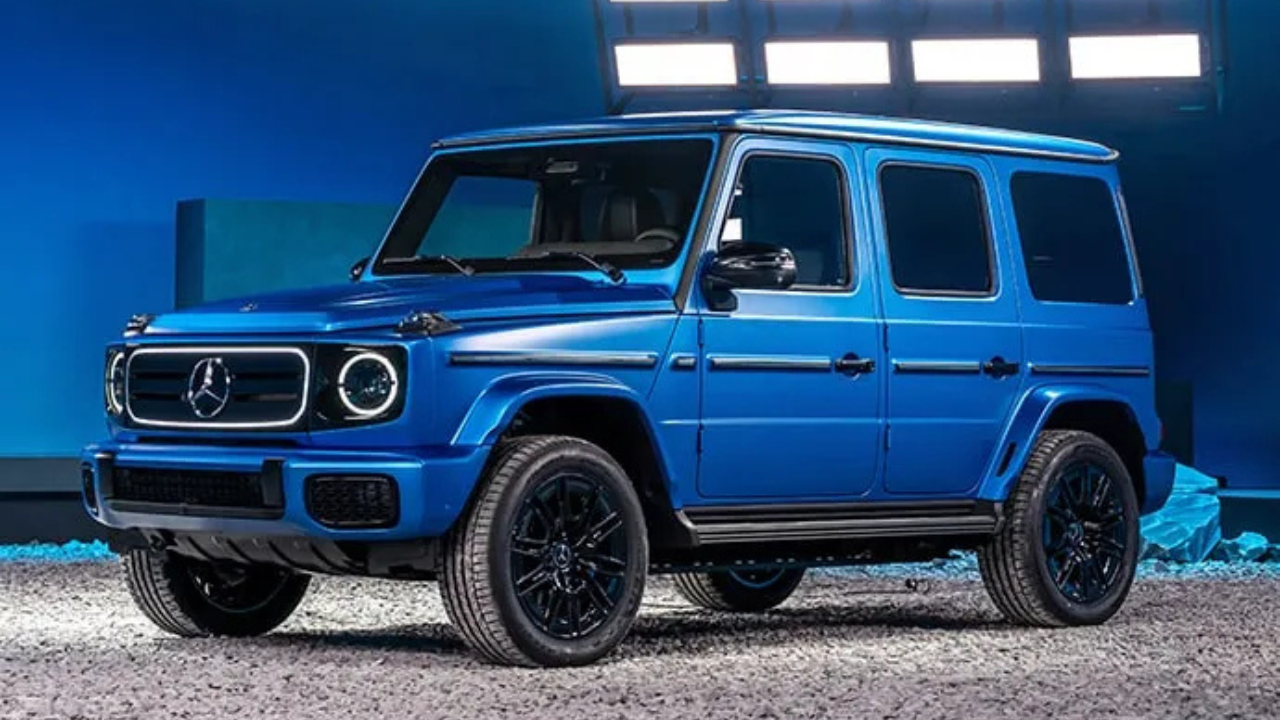
Mercedes-Benz has recalled 99 units of the electric G 580 with EQ Technology in India due to a potential issue with wheel bolts that may loosen over time and affect vehicle stability.
Mercedes-Benz Recalls 99 Electric G-Class SUVs in India Over Wheel Bolt Concern
Mercedes-Benz has announced a recall of 99 units of the G 580 with EQ Technology in India. According to information available on the government's vehicle recall database, the affected vehicles were manufactured between July 12, 2024, and August 18, 2025. The recall has been initiated to address a potential issue related to the wheel bolts fitted on these vehicles.
Wheel Bolts May Not Meet Required Specifications
The company has identified that certain wheel bolts installed on the affected SUVs may not conform to the required specifications.
If the issue remains unaddressed, the wheel bolts could gradually loosen during vehicle operation. This may impact the connection between the wheel and the vehicle, potentially affecting driving stability. In extreme cases, it could increase the risk of an accident.
Also read: Toyota Urban Cruiser Ebella Electric SUV Top-Variant Launched in India At Rs 23.60 Lakh
Owners Expected to Be Contacted
Mercedes-Benz is expected to contact owners of affected vehicles through its authorised dealer network. Inspection and any necessary corrective measures are likely to be carried out at no cost to customers.
Vehicle owners can also contact their nearest authorised Mercedes-Benz dealership for further details regarding the recall and inspection process.
Electric G-Class Specifications
The G 580 with EQ Technology is the electric version of the G-Class SUV and is powered by four electric motors, one dedicated to each wheel.
The powertrain produces 587 hp and 1,164 Nm of torque. The SUV is equipped with a 116 kWh battery pack and has a claimed WLTP driving range of up to 473 km on a single charge.
Mercedes-Benz states that the battery can be charged from 10 percent to 80 percent in approximately 32 minutes using a 200 kW DC fast charger.
Current Price in India
The Mercedes-Benz G 580 with EQ Technology is currently priced at Rs 3.10 crore (ex-showroom) in the Indian market.
Elctrik Speaks
Vehicle recalls are a standard part of the automotive industry and are undertaken by manufacturers to address potential safety or quality concerns identified after vehicles have entered the market. While recalls involving premium vehicles often attract attention, they also reflect established processes aimed at identifying issues and implementing corrective measures. Owners of affected vehicles are advised to respond to recall notifications promptly and complete the recommended inspection or repair.