
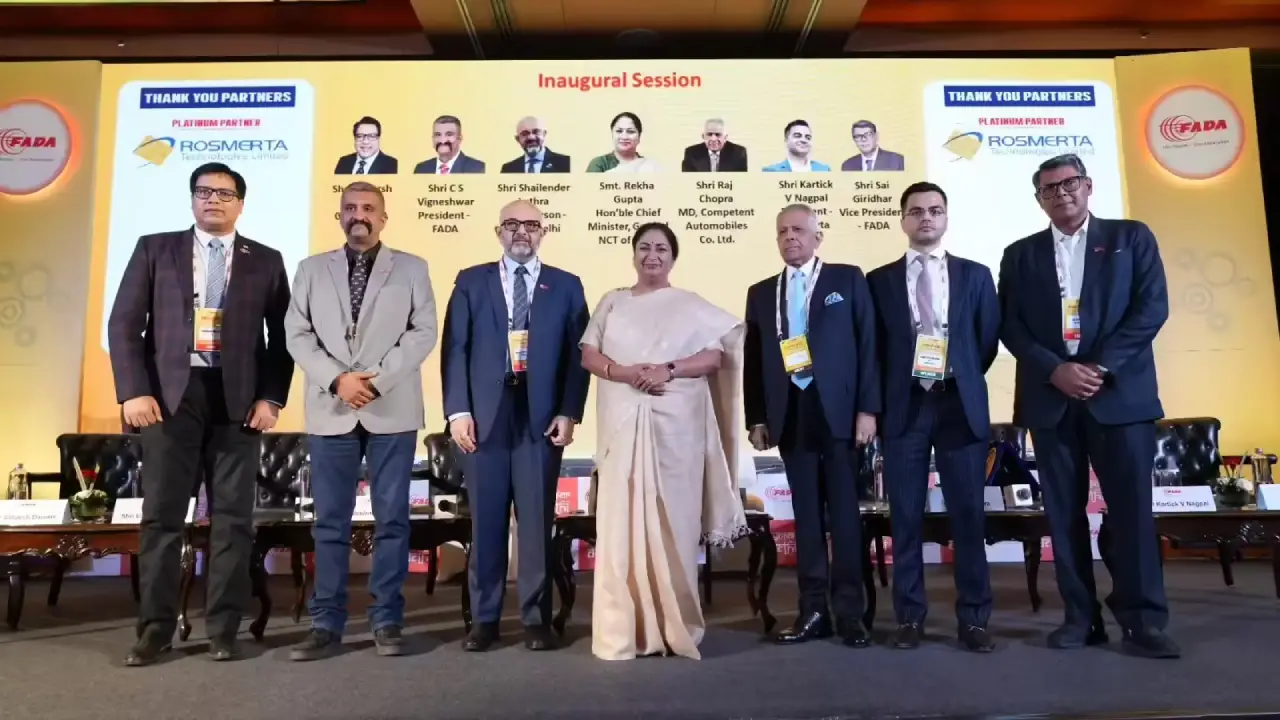

FADA concluded its flagship event Vyapar Delhi 2026 last week. It brought all attention to the electric vehicles (EVs) wave sweeping through the National Capital Region (NCR). The three-day event from April 16-17 at Le Méridien saw more than 200 delegates participating. While other pressing issues such as cess and scrappage dominated the discussions, the actual buzz lay in the radical new Delhi EV policy.
Key Points: A Dealer-Powered Dialogue
The event wasn't only about talk but set out action-oriented guidelines for promoting EVs. Talks concentrated on the draft Delhi EV Policy that combined subsidy. Tax incentives along with benefits for scrappage of older vehicles to make EVs cost-effective. Dealers brought their front-end experience of the challenges they face with EVs. Including inadequate charging infrastructure and consumer resistance.
Important Takeaways
- ₹4,000 Crore war chest: Four-year plan for subsidies, road tax waivers, and retrofitting.
- Push for charging networks: Aimed for over 10,000 public charging stations by 2028, coupled with metro expansions.
- Scrappage incentives: Encouraged faster scrapping of old vehicles to boost EV purchases by 30% year-over-year.
Participants, including finance department officials and safety experts, emphasized the importance of road safety and ease of doing business, moving towards mandates instead of mere nudges by 2027.
Delhi Chief Minister Rekha Gupta took center stage as chief guest, positioning EVs as the cornerstone of a “Clean, Green, Smart Delhi.” She said, “Dealers are our working hands – motivate families to go electric for a Viksit Delhi by 2047.”
Revealing the policy's strength of Rs 4,000 crore along with stricter regulations in the future. The solution to air pollution lies in emissions-free fleets and automated vehicle fitness checks. Dealers were fired up and prepared to convert naysayers into EV customers.
Implications for the EV Market
For the automobile retail market of Delhi, there is a definite future. The Federation of Auto Dealers Association India (FADA) filled the gap, empowering the dealers with policy knowledge and enabling them to sail through the 17.6 percent retail sales growth till 2026.
C.S. Vigneshwar, FADA President: “The transition to green mobility must be balanced and inclusive, ensuring that the livelihoods of thousands of workers in the auto retail ecosystem are protected alongside environmental goals.”
ELCTRIK Speaks
FADA’s importance in guiding Delhi’s EV evolution became clearer with Vyapar Delhi 2026. CM’s ambitious proposal of ₹4,000 crores, and the urging by C.S. Vigneshwar and Shailender Luthra for a harmonious, dealer-led process. With the help of these incentives, the road to 2027 mandates has now begun for NCR automotives.