
Driver Training Gaps Linked to Road Fatalities in India, Says Primus Partners Report
A new report highlights gaps in driver training and licensing in India, pointing to limited skill assessment and lack of structured training as key factors behind rising road accidents.
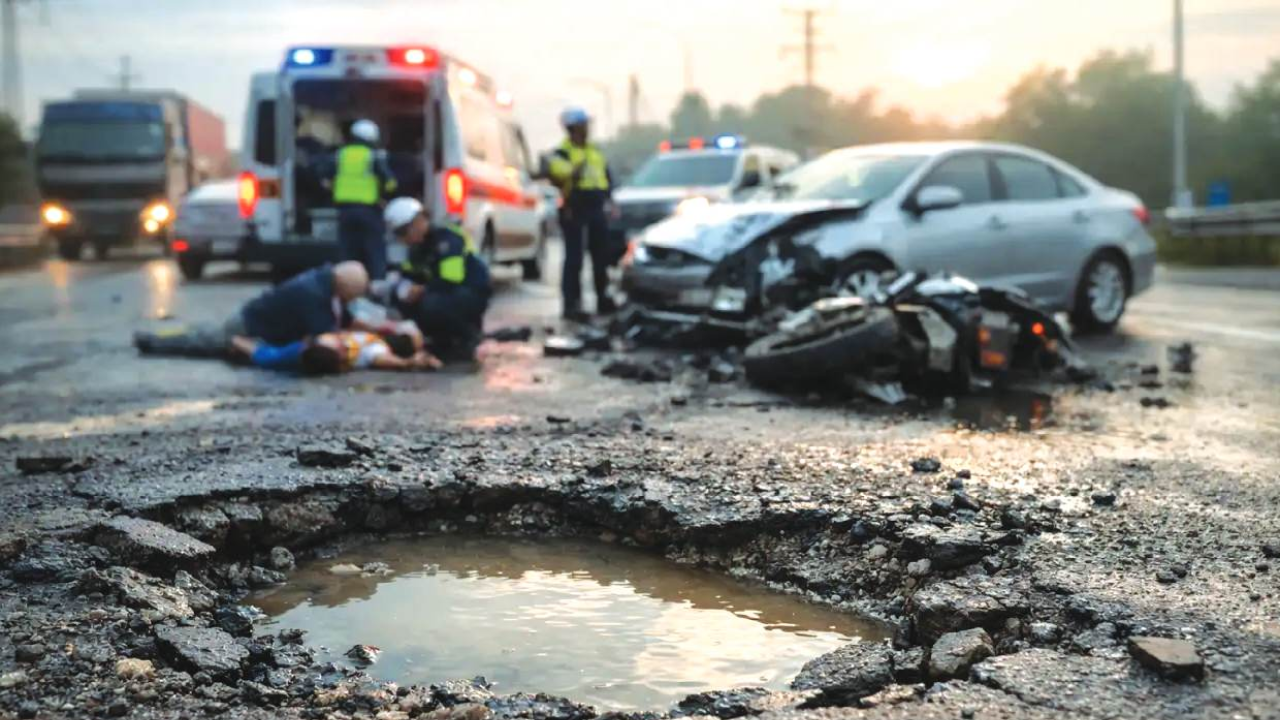
A report by Primus Partners examines the role of driver training in India’s road safety landscape. It notes that despite changes in laws, enforcement, and infrastructure, road accidents and fatalities continue to increase. The report identifies driver preparedness as a major issue, stating that many drivers enter the system without formal training.
Gaps in Licensing Framework
According to the report, the current licensing process focuses more on procedural requirements rather than practical driving skills. Areas such as hazard perception, defensive driving, and decision-making in traffic conditions are not adequately assessed. This, the report suggests, limits the impact of broader safety measures.
Also read: Hyundai IONIQ 3 Electric Hatchback Unveiled: Range, Battery, Specs and More
Need for Structured Training Systems
The findings point to the need for structured driver training systems. The report suggests moving towards competency-based licensing, where skill assessment plays a larger role. It also highlights the importance of ongoing training and skill reinforcement even after obtaining a licence.
Suggested Reform Measures
The report outlines a phased approach to reform. Key recommendations include setting uniform training standards, introducing technology-based testing methods, and developing systems to monitor driver behaviour over time.
Aarti Harbhajanka, Co-founder and Managing Director, Primus Partners, said, “Rethinking driver training is not a peripheral reform but a foundational one. Safer roads ultimately depend on drivers’ awareness, judgement and sense of responsibility, which must be built through structured and behaviour-oriented training systems.”
Raghavendra Kumar, popularly known as the Helmet Man of India, said, “Road safety is not just about rules and regulations, it is a mindset that must be cultivated from an early age and reinforced consistently through life. Every day, we see lives lost due to lack of awareness, poor judgement, and inadequate training. If we want to truly change outcomes on our roads, we must focus on building responsible behaviour through structured and continuous driver training. Creating informed, disciplined and aware drivers is the most powerful way to prevent accidents and protect lives.”
S.N Dhole, Head- Technical Secretariat, Central Institute of Road Transport, Pune, said, “Road safety in India has seen significant advancements through stronger vehicle standards and regulatory frameworks over the years. However, safety is not determined by engineering alone. The competence, discipline and preparedness of drivers remain critical to ensuring these standards translate into real-world outcomes. Strengthening driver training through structured learning, objective testing and continuous skill reinforcement is essential to making the licensing system a true measure of capability. This report presents a timely and constructive pathway to align driver training frameworks with India’s broader road safety goals.”
Elctrik Speaks
The report brings attention to driver capability as a factor in road safety discussions. It shifts focus from enforcement and infrastructure to skill development and training systems, indicating that changes in driver education could influence accident outcomes.